Cash Flow Tracking That Prevents Surprises
Accounts Payable & Receivable in Caldwell for businesses managing invoices, customer billing, vendor payments, and cash timing
Managing accounts payable and receivable means tracking when money is expected to come in and when it needs to go out, ensuring that you have enough cash on hand to cover obligations without leaving payments overdue or missing collection opportunities. MD Horton Bookkeeping & Tax Inc. handles accounts payable and receivable in Caldwell, recording customer invoices, processing vendor payments, and reconciling accounts to reflect outstanding balances accurately. When invoices are not tracked systematically, payments slip through without being recorded, vendors send duplicate bills for the same purchase, and customers delay payment because no follow-up occurs.
Invoice management involves creating and sending customer bills with clear payment terms, due dates, and line-item descriptions of products or services delivered. Vendor payments require matching invoices to purchase orders or receipts, verifying amounts, and scheduling payments to avoid late fees while preserving cash flow. Accounts reconciliation ensures that your accounts payable and receivable balances in your accounting system match the actual amounts owed to vendors and due from customers.
Request an accounts management consultation to evaluate your current invoicing and payment processes and identify gaps in tracking.
How Invoice and Payment Tracking Works
Accounts receivable management begins when you deliver a product or complete a service, triggering the creation of a customer invoice. The invoice records the sale in your accounting system, adding to your accounts receivable balance and establishing a due date based on your payment terms, such as net 30 or due upon receipt. Customer billing includes sending the invoice promptly, following up as the due date approaches, and recording payments when they arrive. Cash flow tracking requires monitoring which invoices are overdue, which customers consistently pay late, and whether outstanding receivables are growing faster than revenue.
On the payable side, vendor payments are scheduled based on invoice due dates and available cash. Paying too early reduces your cash reserves unnecessarily, while paying late incurs penalties and damages vendor relationships. Proper accounts payable management involves organizing invoices by due date, verifying that the goods or services were received as invoiced, and processing payments in batches to reduce transaction fees and administrative time. After payment, the invoice is marked as paid and the accounts payable balance decreases accordingly.
Cash flow tracking connects both sides of the equation, showing whether incoming customer payments will cover outgoing vendor obligations in any given period. This visibility allows you to anticipate shortfalls, delay discretionary expenses, or accelerate collection efforts before cash runs low. Without this tracking, businesses often discover cash shortages only after checks bounce or credit cards are declined.
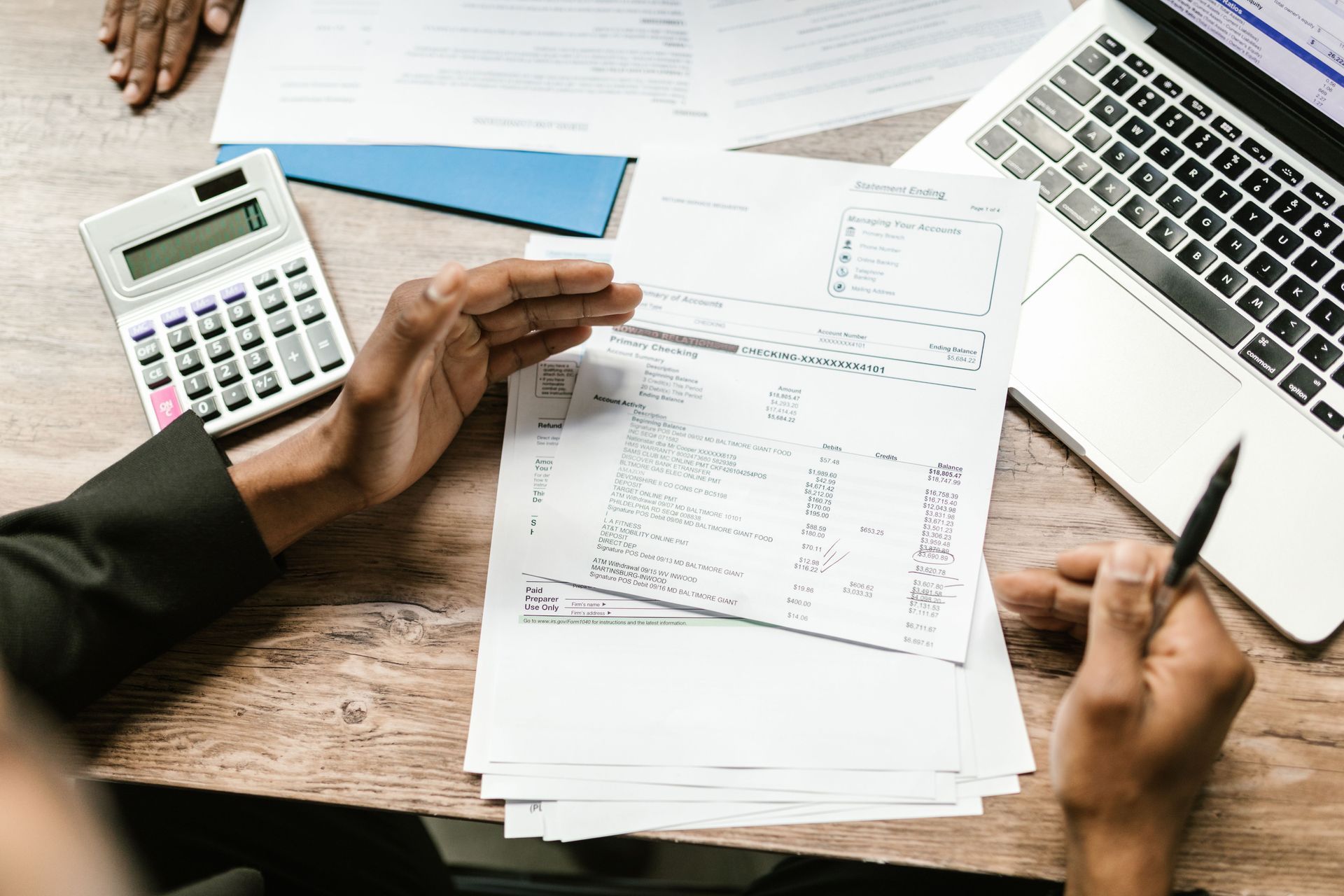
Business owners managing invoices and payments in Caldwell often ask how to improve collections and avoid paying vendors late without losing cash reserves.
What Property Owners Usually Ask
What is the difference between accounts payable and accounts receivable?
Accounts receivable represents money owed to you by customers for delivered products or services, while accounts payable represents money you owe to vendors for goods or services you have received. Both are tracked as balances that change as invoices are issued and payments are made.
How do you prevent customers from paying late?
Send invoices immediately after delivery, include clear payment terms and due dates, and follow up with reminders as the due date approaches. Offering early payment discounts or requiring deposits for large orders can also improve collection timing.
Why does cash flow tracking matter if my business is profitable?
Profitability measures revenue minus expenses over time, but cash flow tracks the actual movement of money in and out of your accounts. A profitable business can still run out of cash if customers pay slowly while vendors demand immediate payment.
How often should accounts payable and receivable be reconciled?
Monthly reconciliation ensures that your recorded balances match actual amounts owed and due. This prevents errors from accumulating and allows you to address discrepancies before they affect financial reports or tax filings.
What should I do if a vendor invoice does not match the purchase order?
Contact the vendor to clarify the discrepancy before making payment. Common issues include incorrect quantities, pricing errors, or charges for items that were never delivered. Resolving these disputes promptly prevents duplicate payments or shortages.
MD Horton Bookkeeping & Tax Inc. manages accounts payable and receivable for businesses in Caldwell, tracking invoices, processing payments, and maintaining accurate cash flow records. Schedule an accounts management review to improve your invoicing and payment processes.