
Financial Statements Built From Daily Transactions
Business Accounting & Financial Reporting in Caldwell for businesses tracking profitability and managing cash flow
Business owners need financial statements that show whether revenue covers operating costs, how cash moves through accounts, and where profitability changes from one period to the next. MD Horton Bookkeeping & Tax Inc. prepares balance sheets showing asset and liability positions, income statements detailing revenue against expenses, quarterly reporting that tracks performance trends, and year-end financial summaries that support tax preparation and business planning decisions. When accounting records categorize transactions consistently, financial statements reveal patterns in spending, identify cost centers that exceed budget, and clarify whether growth is generating profit or consuming cash reserves.
The reporting process organizes transactions recorded in your accounting system, applies accrual or cash basis accounting depending on your business structure, and generates statements formatted for lender review, tax filing, or internal management analysis. Businesses operating in Caldwell's agricultural service sector or small manufacturing often track cost of goods sold separately from operating expenses to measure gross margin before overhead allocation.
Schedule a financial reporting consultation to review how your current transaction records translate into management statements.
What Proper Financial Reporting Requires
Balance sheet preparation compiles current asset accounts including cash, accounts receivable, and inventory, offsets them against liabilities such as accounts payable and loan balances, and calculates equity as the difference between total assets and total liabilities. Income statements organize revenue by source, subtract direct costs to show gross profit, deduct operating expenses to arrive at net income, and allow period-to-period comparison to identify revenue fluctuations or expense increases.
After statements are finalized, you see exactly where cash is held, which customers owe outstanding balances, what obligations are due in the near term, and whether monthly operations generated profit or required capital infusion. Quarterly reporting aggregates three months of activity, highlights seasonal variations that affect cash flow, and provides benchmarks for evaluating whether the business is tracking toward annual goals or falling behind projections.
Year-end financial reporting consolidates twelve months of transactions, reconciles accounts to eliminate discrepancies, and produces statements that accountants use for tax return preparation or that lenders review when evaluating credit applications. Businesses that maintain accurate categorization throughout the year complete year-end closes without extensive rework or adjustments that delay tax filing.
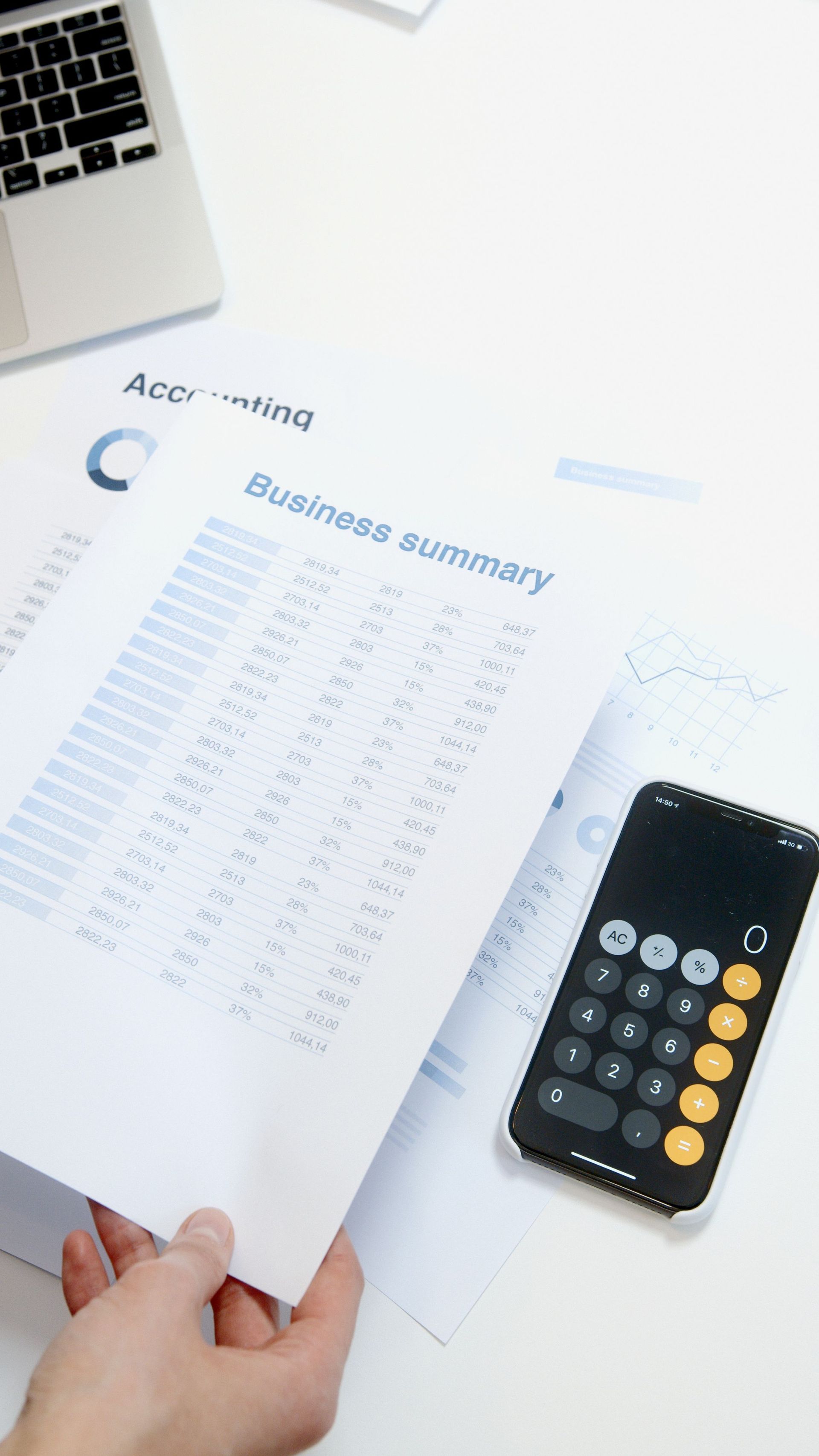
Owners managing daily operations often need clarity on what financial statements actually reveal and how to interpret the numbers.
What Business Owners Usually Ask
What is the difference between a balance sheet and an income statement?
A balance sheet shows your financial position at a specific date by listing assets, liabilities, and equity, while an income statement covers a period of time and shows revenue earned, expenses incurred, and resulting profit or loss during that span.
How does accrual accounting differ from cash basis reporting?
Accrual accounting records revenue when earned and expenses when incurred regardless of cash movement, while cash basis records transactions only when money actually changes hands, which affects timing of reported income and can shift tax liability between years.
When should quarterly financial statements be reviewed?
Quarterly reviews should happen within two to three weeks after the quarter closes, giving time for transaction entry and reconciliation while still providing relevant information for adjusting operations in the current quarter rather than discovering issues months later.
What does negative equity indicate on a balance sheet?
Negative equity means total liabilities exceed total assets, indicating the business owes more than it owns, which typically results from accumulated losses over time or owner withdrawals that exceeded contributed capital and retained earnings.
How do Caldwell businesses use financial statements for tax planning?
Financial statements provide the basis for estimating annual taxable income, identifying deductible expenses that can be accelerated or deferred, evaluating whether entity structure still fits the business profile, and determining whether quarterly estimated tax payments align with actual profitability.
MD Horton Bookkeeping & Tax Inc. formats financial reports to match the detail level needed for your specific use, whether that's internal management review or external lender requirements. Request a reporting setup to establish how frequently you need statements and what level of account detail supports your decision-making.